.jpg)
Got IT issues slowing you down? We provide both on-site and remote support across Australia, so help is never far away.
Digital access management is no longer just an IT hygiene issue. In 2025, it is one of the most critical security, compliance, and operational risks facing Australian SMEs.
As businesses adopt more cloud platforms, SaaS tools, APIs, and remote work models, access quietly spreads. New users are added. Old accounts are forgotten. Contractors retain logins long after projects end. Permissions accumulate over time, often without review.
The result is digital access sprawl — a situation where no one can confidently answer a simple question:
Who really has access to your business systems?
This blog explains how unmanaged access increases security and compliance risk, why identity has become the new security perimeter, and how SMEs can regain control using practical digital access management strategies that do not slow the business down.
Digital access used to be simple. Employees worked from the office, logged into a small number of systems, and access changes were infrequent.
That model no longer exists.
Today, most SMEs rely on:
Each system introduces new identities, new permissions, and new opportunities for error.
Without structured user access control, access grows organically — and invisibly.
When that happens, security risk increases even if your cybersecurity tools are strong.
Digital access sprawl occurs when:
This creates a dangerous gap between who should have access and who actually does.
From a security perspective, every unnecessary login is a potential attack path.
Firewalls, antivirus tools, and endpoint protection are still important — but they are no longer enough.
Modern attacks focus on identity, not infrastructure.
Cybercriminals don’t always hack systems. They log in using:
This is why identity security has become the foundation of modern protection strategies.
If access is uncontrolled, even the best security stack can be bypassed.
Over-permissioned accounts dramatically increase breach impact. A single compromised login can expose sensitive systems and data.
Privacy and data protection obligations require businesses to limit access to personal and sensitive data. Excess access creates audit and regulatory risk.
When access isn’t clearly defined, onboarding and offboarding become slow, inconsistent, and error-prone.
Employees create workarounds when access is unclear, introducing unapproved tools and new risks.
When everyone has access, no one is truly accountable.
One of the most effective ways to reduce access risk is least privilege access.
This principle means:
Least privilege is not about restricting people — it’s about aligning access with responsibility.
For SMEs, this approach dramatically reduces risk without increasing complexity.
Digital access sprawl is rarely intentional. It happens because of growth, speed, and lack of visibility.
Common causes include:
Over time, these small gaps compound into a major exposure.
Effective digital access management does not require enterprise-scale tools or heavy bureaucracy.
It requires structure, ownership, and consistency.
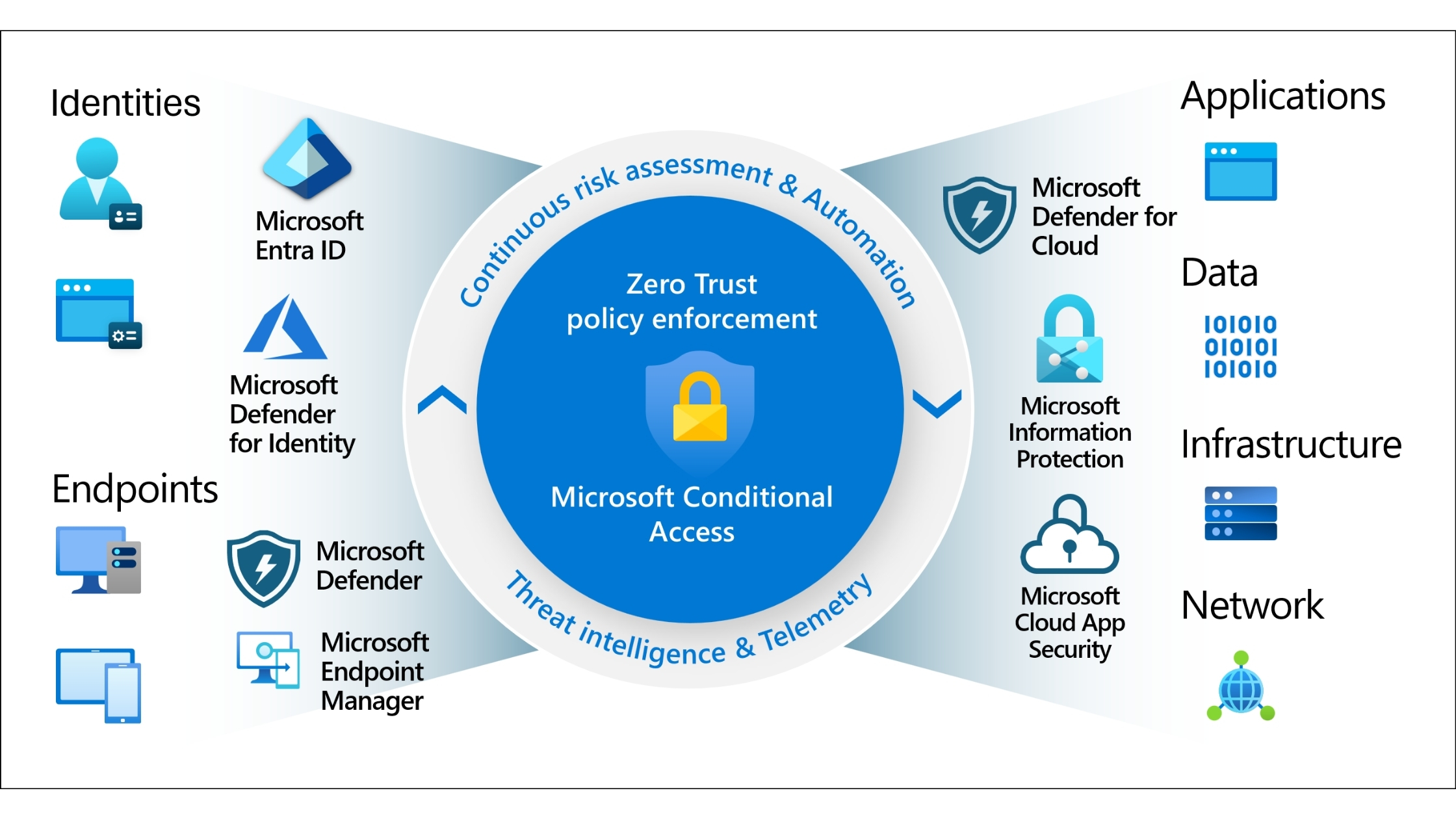
Using a central identity provider allows you to:
Central identity is the foundation of scalable access control.
You cannot fix what you cannot see.
Start by identifying:
This exercise alone often reveals major surprises.
Instead of assigning permissions individually, create role-based access such as:
This makes access predictable, repeatable, and easier to manage.
New users should start with minimal access.
Additional permissions should:
This prevents access inflation over time.
Manual access management is where mistakes happen.
Automating onboarding and offboarding ensures:
Automation is one of the biggest risk reducers for SMEs.
Access should not be permanent.
Schedule periodic reviews to:
Regular reviews turn access management into a process, not a one-off task.
Many SMEs believe licensing equals control.
In reality:
Digital access management goes beyond licensing by focusing on identity, permissions, and actual usage, not just paid seats.
This identity-first approach aligns directly with modern API security and zero-trust principles.
APIs are powerful — and dangerous if unmanaged.
APIs often:
If API access is not governed, it can quietly expose data even when user access is locked down.
Strong digital access management must include:
Identity security is not just about people — it’s about systems too.

Challenge 1: No clear visibility into who has access
BIT365 Solution: Implement access discovery and centralised identity reporting to create a clear access inventory.
Challenge 2: Former employees still have active logins
BIT365 Solution: Automate offboarding workflows to ensure immediate access removal across all systems.
Challenge 3: Too many users have admin access
BIT365 Solution: Apply least privilege access models with role-based permissions and approval controls.
Challenge 4: Access management is manual and inconsistent
BIT365 Solution: Introduce identity automation to standardise joiners, movers, and leavers.
Challenge 5: Scaling creates access chaos
BIT365 Solution: Design digital access management frameworks that scale with business growth, not against it.
🌐 Gmail Security in 2025: How to Stay Ahead of AI-Powered Threats
🌐 The Future of SME Cyber Resilience: How to Build a Zero-Trust Environment in 2025
🌐 How to Prepare Your Business for the Cybersecurity Threats of the Second Half of the Year
Unmanaged access is one of the most common — and preventable — causes of security incidents in SMEs.
BIT365 helps Australian businesses regain control through identity-first digital access management, least privilege frameworks, and scalable user access control strategies that protect data without slowing teams down.
If you’re unsure who still has access to your systems, it’s time to fix that.
Got IT issues slowing you down? We provide both on-site and remote support across Australia, so help is never far away.
BIT365 offers a full range of managed IT services, including cybersecurity, cloud solutions, Microsoft 365 support, data backup, and on-site or remote tech support for businesses across Australia.
No. While we have a strong presence in Sydney, BIT365 supports businesses nationwide — delivering reliable IT solutions both remotely and on-site.
We pride ourselves on fast response times. With remote access tools and on-site technicians, BIT365 can often resolve issues the same day, keeping your business running smoothly.
BIT365 combines local expertise with enterprise-grade solutions. We’re proactive, not just reactive — preventing issues before they impact your business. Plus, our friendly team explains IT in plain English, so you always know what’s happening.


%20Best%20Practices%20(1).jpg)
.jpg)
.jpg)


.jpg)

.jpg)



.jpg)






.jpg)



%20(3).jpg)





.jpg)













.jpg)