Smarter Microsoft 365 Licence Management

Book an Expert

Got IT issues slowing you down? We provide both on-site and remote support across Australia, so help is never far away.

Microsoft 365 is one of the most powerful business platforms available today. It enables collaboration, strengthens communication, and provides enterprise-grade security features at a predictable cost. But while most Australian businesses depend on Microsoft 365 every day, many unknowingly overspend on features they don’t use, licences they don’t need, or premium add-ons that don’t deliver meaningful value.

This is especially common as Microsoft continues rolling out new security tiers, Copilot features, and compliance extensions. Without careful management, businesses end up paying significantly more for M365 than necessary — often without improving productivity or security.

This guide shows how to avoid wasted spend, strengthen your M365 environment, and make sure every licence and add-on works for your people. We’ll explore built-in security features, highlight how overspending happens, and share practical steps every SMB can take to optimise licences without sacrificing capability.

By the end, you’ll know exactly how to right-size your environment, identify wasted spend, and apply smart governance to ensure every dollar delivers value. And most importantly, you’ll understand how to integrate Microsoft 365 security and Copilot tools in a way that supports your business — not your budget leaks.

What Microsoft 365 Provides as Baseline Security and Copilot Features

Many businesses assume that better security and productivity is only possible with higher-tier plans like E3 or E5. But the truth is that Microsoft 365 provides a strong foundation even at lower levels. Businesses often jump to premium tiers without realising they already have what they need.

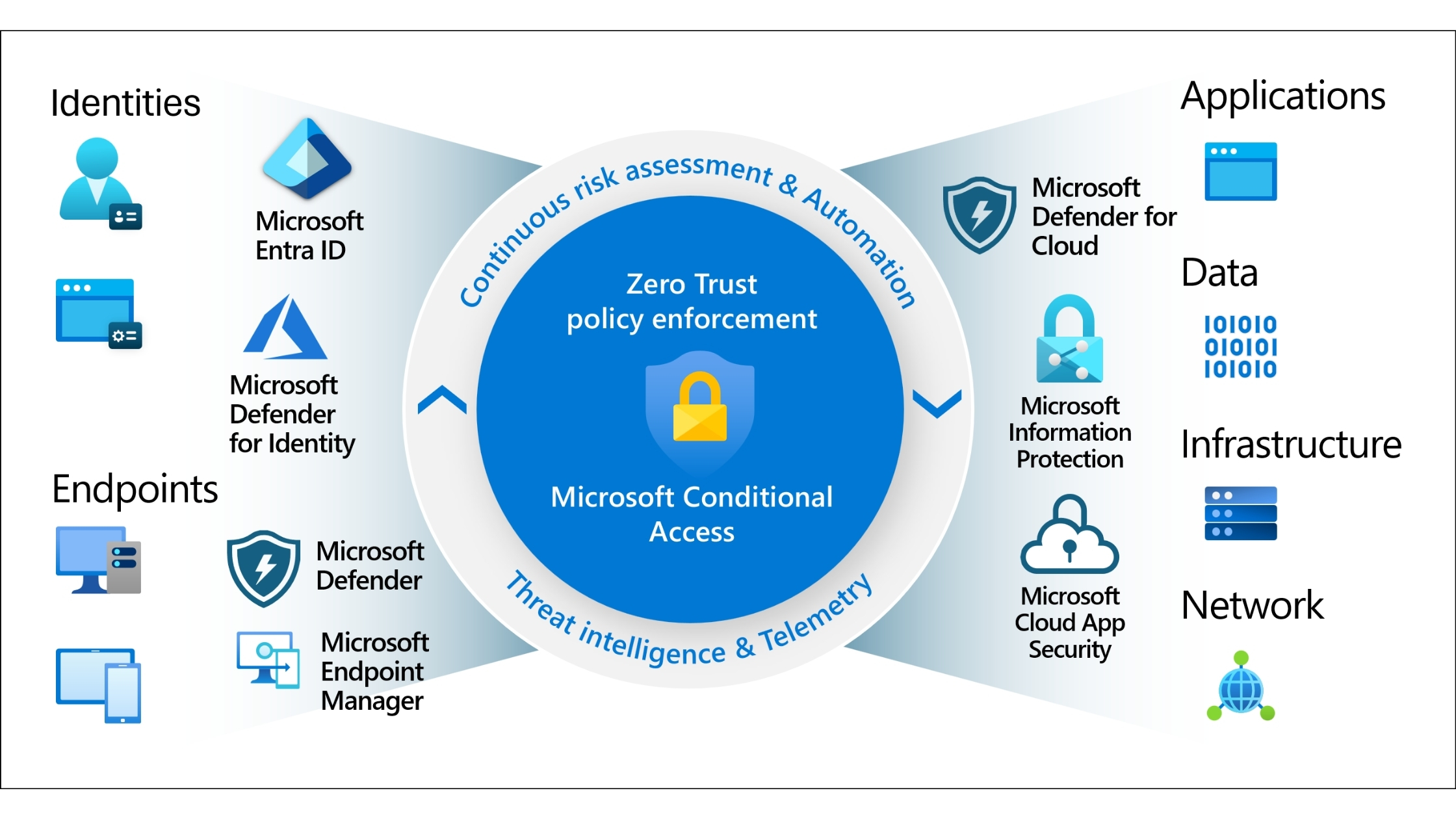
Identity and Access Protection

Every Microsoft 365 tenant includes advanced identity management tools through Entra ID (formerly Azure Active Directory). These include:

  • Multi-factor authentication (MFA)
  • Conditional access basics
  • Single sign-on across Microsoft services
  • User risk policies depending on plan

This core identity layer is essential for preventing credential theft — one of the most common attack vectors targeting Australian SMBs.

Threat Protection

Depending on your plan, your tenant may already include:

  • Anti-malware and anti-phishing
  • Safe Links and Safe Attachments
  • Basic Defender capabilities
  • Email scanning and isolation
  • Suspicious login detection

Many businesses upgrade to costly add-ons without checking whether their existing plan already covers essential protections.

Data Protection and Compliance

Lower-tier plans may already offer:

  • Data Loss Prevention (DLP) templates
  • Retention policies
  • Audit logs
  • Basic compliance features

While not as advanced as E5 tools, they are often enough for SMB needs.

Understanding what you already have is the first step in controlling spend. You shouldn't buy tools you don’t need — or pay twice for features that exist in your base plan.

How Organisations Overspend on Microsoft 365 Security and Copilot Add-Ons

Overspending doesn’t always show up in a single large cost. More often, it hides across the environment — accumulating slowly until it becomes a serious financial leak. These are the most common reasons businesses waste money on M365.

Purchasing Higher-Tier Plans Too Quickly

Many organisations jump to E3 or E5 without validating whether users truly need the upgraded capabilities. IT managers often choose higher tiers “just to be safe” or because the features sound attractive — even if they’re never used.

The result?
A business might end up paying hundreds of dollars per user each year for features that never get switched on.

Licences Left Running

Idle licences are one of the biggest sources of waste. Common examples include:

  • Ex-employees still assigned licences
  • Part-time staff with full E5 licences
  • Seasonal workers who no longer need access
  • Staff who changed roles but kept premium add-ons
  • Contractors whose accounts were never disabled

These forgotten licences can cost thousands every year — and rarely get noticed without structured reviews.

Deleting Users During Offboarding

A common misconception:
Deleting a user automatically releases the licence.

It doesn’t.

Unless licences are manually unassigned (or automated via workflows), the business continues paying for them indefinitely.

Duplicate Functionality Assigned to the Same User

Some examples:

  • E3 or E5 plans plus standalone Defender add-ons
  • Copilot for M365 plus separate AI automation tools
  • Third-party security platforms that mirror Defender capabilities

Microsoft doesn’t warn you when you assign redundant features. Without oversight, duplication becomes extremely common.

How to Reduce Waste in Microsoft 365 Security and Copilot Add-Ons

Most overspending problems are fully avoidable. With smart management, your business can retain productivity, improve security, and reduce cost — without sacrificing capability.

Downgrade Light Users

Not every user needs premium functionality.
Examples of light users:

  • Reception staff
  • Warehouse teams
  • Interns
  • Casual or seasonal workers
  • Staff who primarily use email and Teams

Tools like usage analytics reveal how employees actually use their licences. If they’re not taking advantage of E3/E5 benefits, they can be downgraded without impact.

Automate Offboarding of Ex-Employees

To stop unused licences from accumulating:

  • Connect HR workflows to M365 through Power Automate
  • Trigger automatic licence removal when an employee leaves
  • Remove access, revoke tokens, and unassign licences in a single workflow
  • Archive the mailbox and convert it to a shared mailbox if needed

Automated offboarding ensures you don’t continue paying long after an employee departs.

Consolidate Overlapping Features

Many businesses simultaneously use:

  • Microsoft Defender
  • Third-party endpoint protection
  • Third-party email security
  • Copilot add-ons
  • External AI tools

In many cases, Microsoft’s built-in capabilities are already sufficient. Consolidation reduces complexity, improves performance, and saves money.

Review Group and Shared Mailboxes

Shared mailboxes should not have paid licences unless they require:

  • More than 50GB
  • Automatic litigation hold
  • Compliance features outside baseline plans

Many businesses pay for these unnecessarily. Converting them to free shared mailboxes immediately frees budget.

Enable Licence Governance Policies

Governance ensures licence waste doesn’t return. This includes:

  • Notifications for unused licences
  • Automatic role-based licence assignment
  • Renewal date tracking
  • Alerts for inactive users
  • MFA enforcement and identity cleanup
  • Regular audits of Copilot usage

Strong governance keeps your M365 environment clean and efficient.

Building Your Microsoft 365 Optimisation Blueprint

Creating a right-sized licence strategy involves structure, ownership, and predictable review cycles.

Step 1: Map Roles to Licence Types

Every department and position should have a defined licence profile.
This eliminates guesswork and reduces inconsistent assignments.

Step 2: Monitor Usage Monthly

Usage reports identify:

  • Unused apps
  • Underutilised features
  • Premium capabilities not accessed
  • Dormant accounts
  • Copilot adoption levels

These insights guide your optimisation decisions.

Step 3: Review Your Security Stack

Ask the right questions:

  • Are we paying twice for the same protections?
  • Do we need third-party tools if Defender covers them?
  • Are Copilot features replacing or duplicating other AI tools?

Step 4: Automate Recurring Tasks

Automation strengthens governance and prevents repeated waste.
Automate:

  • Offboarding
  • Licence reallocation
  • Shared mailbox conversions
  • Group-based licensing

Step 5: Review Annually with an External Expert

An experienced MSP like BIT365 can identify waste and security gaps that internal teams often miss.

Tips for Businesses Looking to Improve Microsoft 365 Spend

  • Audit your licences every quarter.
  • Use role-based licensing for consistency.
  • Enable usage analytics to identify low-use users.
  • Automate offboarding to recover licences instantly.
  • Consolidate security tools into Defender where possible.
  • Track Copilot performance and verify real productivity gains.

Common Business Challenges & Solutions

Challenge 1: Limited visibility into actual licence usage

BIT365 Solution: We analyse usage data to identify unused and underused licences, ensuring businesses only pay for tools they genuinely need.

Challenge 2: Paying for duplicate security tools without realising it

BIT365 Solution: We consolidate overlapping systems into a cleaner, more cost-effective Microsoft security stack.

Challenge 3: Licences not reclaimed during offboarding

BIT365 Solution: We implement automated workflows that unassign licences and secure identities the moment staff depart.

Challenge 4: Overbuying Copilot or premium add-ons

BIT365 Solution: We help businesses deploy Copilot strategically based on role, need, and measurable outcomes.

Challenge 5: Environment becomes too complex to manage internally

BIT365 Solution: We provide ongoing governance, reviews, and reporting to keep the Microsoft 365 environment clean, efficient, and compliant.

Key Takeaways

  • Many businesses overspend on Microsoft 365 without realising it.
  • Built-in security features are stronger than most SMBs think.
  • Licence waste often comes from duplication, offboarding gaps, and overestimating needs.
  • Automating offboarding and governance reduces long-term costs.
  • Consolidating security tools simplifies management and strengthens protection.
  • Right-sizing licences improves productivity without adding cost.

Related Blogs

🌐 Why Multi-Factor Authentication is so important for Microsoft 365
🌐 What Makes Microsoft 365 a Must-Have for Modern Businesses

Need Help? BIT365 Can Streamline Your Microsoft 365 Spend

Whether you're looking to reduce unnecessary licence costs, simplify your Microsoft 365 environment, or strengthen your security posture, BIT365 can help.

Our team works with Australian SMBs every day to optimise licences, automate governance, and improve efficiency without increasing spend. If you want clearer visibility, stronger security, and smarter technology decisions, reach out today — we’re here to help you get the most from your M365 investment.

Book an Expert

Got IT issues slowing you down? We provide both on-site and remote support across Australia, so help is never far away.

Frequently Asked Questons

What IT services does BIT365 provide?

BIT365 offers a full range of managed IT services, including cybersecurity, cloud solutions, Microsoft 365 support, data backup, and on-site or remote tech support for businesses across Australia.

Do you only support businesses in Western Sydney?

No. While we have a strong presence in Western Sydney, BIT365 supports businesses nationwide — delivering reliable IT solutions both remotely and on-site.

How quickly can I get support if something goes wrong?

We pride ourselves on fast response times. With remote access tools and on-site technicians, BIT365 can often resolve issues the same day, keeping your business running smoothly.

Why should I choose BIT365 over other IT providers?

BIT365 combines local expertise with enterprise-grade solutions. We’re proactive, not just reactive — preventing issues before they impact your business. Plus, our friendly team explains IT in plain English, so you always know what’s happening.

January 26, 2026

AI Tools at Work: How to Set Guardrails Without Killing Innovation

January 19, 2026

How to Vet SaaS Integrations Without Creating Hidden Security Risks

January 16, 2026

IT Asset Disposition (ITAD) Best Practices

January 12, 2026

Contractor Access Without Chaos

January 9, 2026

AI Security Policy Essentials

January 5, 2026

Smarter Cloud Spend with Power Automate

January 2, 2026

Smarter Guest Wi-Fi Security for Modern Businesses

December 29, 2025

Fixing Digital Access Sprawl in Business

December 26, 2025

AI Tools at Work: How to Set Guardrails Without Killing Innovation

December 22, 2025

Data Privacy in the Age of AI for SMEs

December 19, 2025

Holiday Online Shopping Security

December 15, 2025

Why Accessibility Matters for Your Website

December 12, 2025

Smarter Microsoft 365 Licence Management

December 8, 2025

The Hidden Risks of Third-Party Integrations

December 5, 2025

How Businesses Can Secure AI Tools: A Complete Guide to Responsible and Safe AI Adoption

December 1, 2025

Privacy Compliance Essentials

November 28, 2025

AI Automation Playbook: How SMEs Can Reduce Workload Without Sacrificing Security

November 24, 2025

The Future of SME Cyber Resilience: How to Build a Zero-Trust Environment in 2025

November 21, 2025

Streamline Data Collection with Microsoft Forms

November 17, 2025

Smart Black Friday Tech Buying Guide for Businesses

November 14, 2025

Stopping Credential Theft in Your SMB

November 7, 2025

How an IT Roadmap Fuels Small Business Growth

November 3, 2025

How Businesses Can Secure AI Tools

October 31, 2025

Simplify Your IT Strategy: How Small Changes Create Big Business Impact

October 27, 2025

Creating a Cybersecurity Culture: Why IT Protection Starts with Your People

October 24, 2025

Data Backup Strategy for Small to Medium Business

October 20, 2025

Why Every Australian Business Needs an IT Roadmap for Growth

October 17, 2025

Login Security: The First Line of Cyber Defense

October 13, 2025

How Smart IT Builds Happy, Engaged, and Loyal Teams

October 10, 2025

Understanding Data Regulations: Why Compliance Matters for Every Small Business

October 6, 2025

How Smart Data Visualization Helps SMBs Make Faster, Better Decisions

October 3, 2025

The AI Tools Every IT Business Should Be Watching (and Where to Start)

September 29, 2025

Brand ≠ Guarantee: What Really Makes Tech Quality for SMBs

September 26, 2025

Why a Laptop Dock Boosts Productivity

September 22, 2025

AI in Everyday Business – Practical Uses for SMBs

September 19, 2025

Is Your Business Wi-Fi Slowing You Down? 8 Smart Fixes for Reliable Connectivity

September 15, 2025

Smart Office Risk: Securing Your IoT Devices

September 12, 2025

Microsoft Planner: Transform Task Management for Your Team

September 8, 2025

10 Smart Knowledge Management Strategies for Small Businesses

September 5, 2025

How to Plan Your IT Budget Without Breaking the Bank

September 1, 2025

Why Clean Data Matters for Small Businesses

August 29, 2025

Why Western Sydney SMBs Need Proactive IT Support — Not Just Break/Fix

August 25, 2025

How to Prepare Your Business for the Cybersecurity Threats of the Second Half of the Year

August 22, 2025

Why Western Sydney Businesses Need Proactive IT Support, Not Just Break-Fix

August 18, 2025

Data Retention Policies for Small Businesses: Why They Matter and How to Get Started

August 15, 2025

Locked Doors, Open Back Doors: The Rising Risk of Supply Chain Cyberattacks for Small Businesses

August 11, 2025

Unlocking Efficiency: How Power Automate Transforms Small Business Workflows

August 8, 2025

Don’t Let Outdated Tech Hold You Back: Why Small Businesses Need a Smart IT Refresh Plan

August 4, 2025

How Smarter IT Onboarding Builds Stronger Teams from Day One

August 1, 2025

The Smart SMB Guide to Cloud Cost Optimization

July 25, 2025

What Makes Microsoft 365 a Must-Have for Modern Businesses

July 21, 2025

Where Do Deleted Files Go? Understanding File Deletion and Recovery

July 18, 2025

10 Powerful Ways to Customize Your Desktop for Better Focus & Productivity

July 14, 2025

Free Up Space and Boost Productivity: Top Cloud Storage Providers for 2025

July 11, 2025

7 New Malware Threats to Watch in 2025

July 7, 2025

Gmail Security in 2025: How to Stay Ahead of AI-Powered Threats

July 4, 2025

The Small Business Guide to Choosing the Right Cloud Storage Solution

June 30, 2025

Remote Work Security in 2025: Smart Strategies for Modern Businesses

June 27, 2025

How to Implement Multi-Factor Authentication (MFA) for Your Small Business

June 23, 2025

Cyber Insurance for Small Business: What's Really Covered (And What's Not)

June 20, 2025

Could Your Business Survive a Data Disaster?

June 16, 2025

How AI Automation Saves Time for Small Businesses

June 13, 2025

Can You Remove Your Data from the Dark Web? Here’s What You Need to Know

June 9, 2025

7 Unexpected Ways Hackers Can Access Your Accounts

June 6, 2025

Safeguarding Your Business: Microsoft 365 Phishing Scams in Western Sydney

June 2, 2025

How to Keep Your Data Safe with Secure Cloud Storage

May 30, 2025

How to Strengthen Your Passwords and Protect Your Accounts in 2025

May 26, 2025

Password Spraying: The Silent Cyberattack Threat Targeting Australian Businesses

April 22, 2025

What CAT6 means?

April 17, 2025

Why Backup Microsoft 365?

April 12, 2025

Cyber Incident Response: Steps to Do in the First 15 Minutes

April 10, 2025

Protect Your Digital Life: Why Cloud Backup Is Essential

April 9, 2025

Why Is My Laptop Slow? Troubleshooting Guide for 2025

April 1, 2025

Why is DMARC Important?

March 31, 2025

What Is Cybersecurity Awareness Training?

March 26, 2025

What Are DMARC records?

March 24, 2025

How To Secure Email in Outlook.com

March 17, 2025

What is Endpoint Security vs Antivirus?

March 15, 2025

Why Do People Get Hacked?

March 5, 2025

What is NBN TC4?

March 1, 2025

How Much Device Storage You Need?

February 28, 2025

What Is Microsoft Modern Workplace? Simple Guide for SMBs

February 17, 2025

What Is Cybersecurity Insurance? A Must-Know for Every Australian Business

February 12, 2025

What is Unified Communications as a Service (UCaaS) - And Why It Matters for Your Busines

February 8, 2025

What is Invoice Fraud?

January 28, 2025

How To Prevent Weak Passwords

January 24, 2025

What Is Content Filtering? A Simple Guide for Australian Businesses

January 20, 2025

Phishing: How to Avoid It

January 14, 2025

Why Cloud Storage Is Essential for Modern Businesses

January 8, 2025

Why You Need Proactive IT Support

December 17, 2024

IT Support for Small Business Near Me: Why Local Expertise Matters

November 26, 2024

New Cyber Cybersecurity Bill: What It Means For Your Business

November 6, 2024

Watch Out for Google Searches - "Malvertising" Is on the Rise!

October 21, 2024

Windows 10 End Of Life Countdown - It's Time to Upgrade Your PC

October 14, 2024

Unmasking the True Price of IT Downtime

October 7, 2024

Streamlining Success - A Guide to Task Automation for Small Enterprises

September 30, 2024

Why Continuous Monitoring is a Cybersecurity Must

September 23, 2024

Tech-Savvy Workspaces How Technology Drives Office Productivity

September 16, 2024

Digital Defense: Essential Security Practices for Remote Workers

September 9, 2024

Weak Passwords Are Putting Your Business at Risk